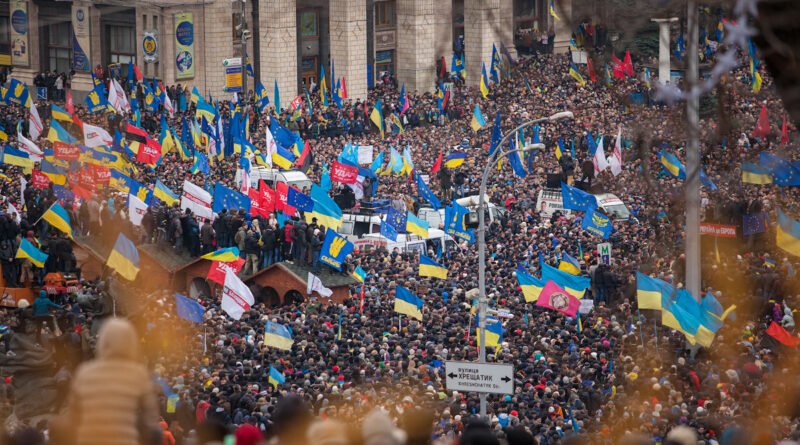
Gen Z leads renewed protests across European cities
Young people from the so‑called Generation Z have taken to the streets of dozens of European capitals and midsize towns this week, reigniting a wave of civic activism that began in the early 2020s. Demonstrations were reported in Berlin, Paris, Madrid, Rome, Warsaw and smaller locales such as Lillehammer and Plovdiv, with organizers estimating participation in the tens of thousands.
Scale of the demonstrations
Police and municipal authorities in several cities confirmed that the gatherings were among the largest since the 2023 climate marches. In Berlin alone, the protest route spanned over three kilometers, attracting an estimated 12,000 participants, according to local police statements. Similar figures were reported in Paris (9,500) and Madrid (8,200), while smaller cities recorded several hundred demonstrators each.
Coalition of youths and workers
Unlike earlier protests that were predominantly student‑led, the current rallies feature a noticeable presence of trade‑union members and other workers’ groups. Joint statements released by youth organisations and unions highlight a strategic alliance aimed at amplifying pressure on national governments. The coalition argues that economic challenges affect both generations, linking the cost‑of‑living crisis to broader social policy demands.
Key demands
The protesters’ agenda centres on three main points: a substantial increase in public funding for education, measures to curb the rising cost of living, and, in the German context, the abolition of compulsory military service. Activists call for a “green and digital transformation” of schools, arguing that current budgets are insufficient to meet 21st‑century skills requirements. On the economic front, they cite soaring housing prices, energy bills and food costs as drivers of social discontent.
Focus on Germany’s conscription
Germany has become a focal point of the movement after the federal government announced plans to reinstate mandatory military service for citizens aged 18 to 27, a policy reversal from the 2011 suspension. Demonstrators in Berlin, Hamburg and Cologne chanted slogans such as “No to forced militarisation” and displayed banners demanding a return to a volunteer‑based defence model. The German defence minister responded in a press conference, stating that the policy aims to address staffing shortages in the armed forces but promised to engage in dialogue with civil society.
Government responses
National leaders across Europe have offered mixed reactions. French President Emmanuel Macron urged “constructive dialogue” while warning against disruptions to public order. Spain’s prime minister pledged to review education budgets in the upcoming fiscal plan. In contrast, the UK government has not issued a formal statement, though local authorities in London have prepared to monitor the protests closely. Observers note that the sustained mobilisation could influence upcoming parliamentary debates on social spending and defence policy.
Foto: Nessa Gnatoush / Wikimedia Commons, CC BY 2.0
Com informações de DW Brasil.
Conteúdo produzido com apoio de inteligência artificial, com curadoria editorial da Gazeta Nacional.
— Redação Gazeta Nacional