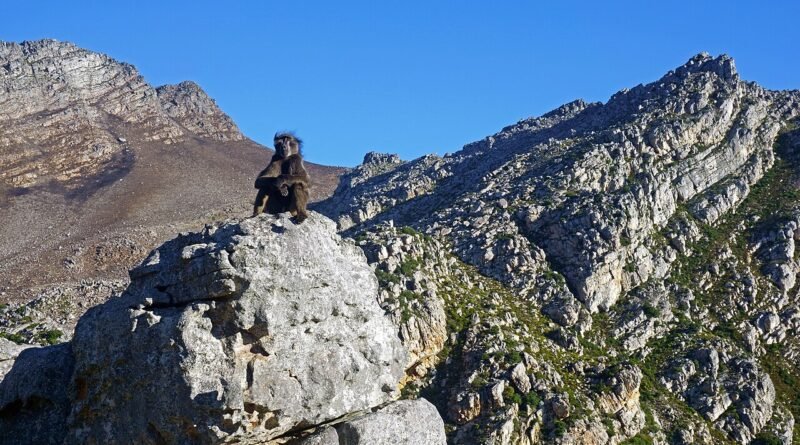
Cape Town baboon relocation sparks protests
Residents of Cape Town’s southern suburbs took to the streets on Friday and Saturday to block a convoy carrying a troop of chacma baboons destined for a wildlife sanctuary. Demonstrators shouted slogans and formed human barriers, insisting that the primates should not be removed from their natural habitat.
Background of the conflict
The baboons, known locally as the “Waterfall” troop after the area they frequent, number 44 individuals. Authorities say the group has increasingly entered residential zones in Simon’s Town, raiding garbage bins and causing safety concerns for locals. The municipal wildlife department argues that relocation is the most viable solution to prevent injuries to both humans and the animals.
Details of the capture
Police and wildlife officers conducted the capture operation over the weekend, using tranquilizer darts and transport vehicles designed for large mammals. A second, smaller group called the “Seaforth” troop is scheduled for removal in the coming days, officials added.
Community response
The protestors, many of whom live within walking distance of the baboons’ usual foraging routes, accuse the government of prioritising tourism and urban development over ecological stewardship. They carried placards reading “Leave the baboons in their home” and “Protect wildlife, not relocate it.” Some participants attempted to physically stop the convoy, prompting a brief police presence to maintain order.
Official stance
City officials maintain that the relocation is a preventive measure, citing prior incidents where baboons have attacked pedestrians and caused property damage. The chosen sanctuary, located outside the metropolitan area, offers a protected environment where the primates can live without the pressure of human encroachment. Officials also highlighted a recent study indicating a rise in human‑baboon encounters across the Cape Peninsula.
Looking ahead
Animal welfare groups have called for a review of the relocation plan, suggesting alternative strategies such as community education, improved waste management, and non‑lethal deterrents. Meanwhile, the municipal council has scheduled a public hearing next week to discuss the broader issue of wildlife management in rapidly urbanising coastal regions.
As the debate unfolds, the fate of the Waterfall and Seaforth troops remains a flashpoint in the ongoing conversation about how cities can coexist with the diverse fauna that shares their landscapes.
Foto: kallerna / Wikimedia Commons, CC BY-SA 4.0
Com informações de The Guardian World.
Conteúdo produzido com apoio de inteligência artificial, com curadoria editorial da Gazeta Nacional.
— Redação Gazeta Nacional